How to Detect Lies? The Real Secret of Microexpressions
Flashes of emotion across the face can help show when someone is lying to you.
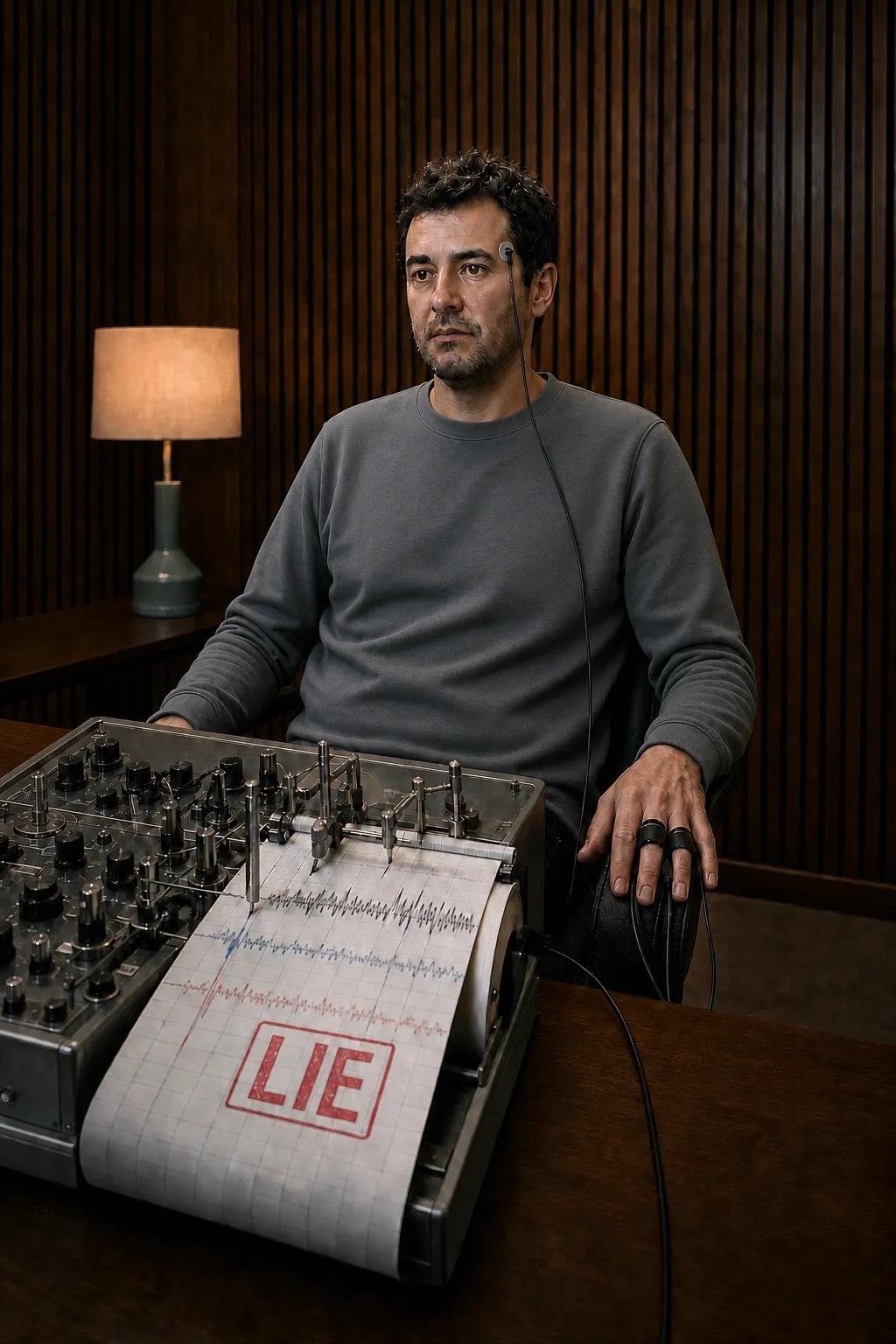
6 Universal Microexpressions






Microexpressions are brief, involuntary facial movements that can appear before a person regains control of what their face is showing.
Staged expression studies. Each name identifies the visible pattern, not anyone's private emotion or honesty.
Surprise is brief
Brows lift, eyes widen and the jaw opens; then the face moves on. Surprise is the flash, not a held pose. If the shocked look stays fixed, treat it as a different clue. Watch the release and what replaces it.



Spot Contempt in Three Checks
Start low on the face. Compare both sides of the mouth, then check whether the eyes and brows changed too.
One corner tightens
Look for a small upward or inward pull at one mouth corner.
The sides do not match
The useful clue is the asymmetry, not the size of the movement.
The upper face stays quieter
The mouth can move while the brows and eyes barely change.
Faces can be naturally asymmetric. Compare the movement with the same person's resting face before naming the pattern.
Watch what flashes after the compliment
If one corner lifts immediately after the compliment, the words and face briefly disagree. Treat that as a reason to check, not a verdict. Speech, habit, taste, tension or natural asymmetry can create a similar shape.
Ask: “Which part of working with him feels least comfortable?”



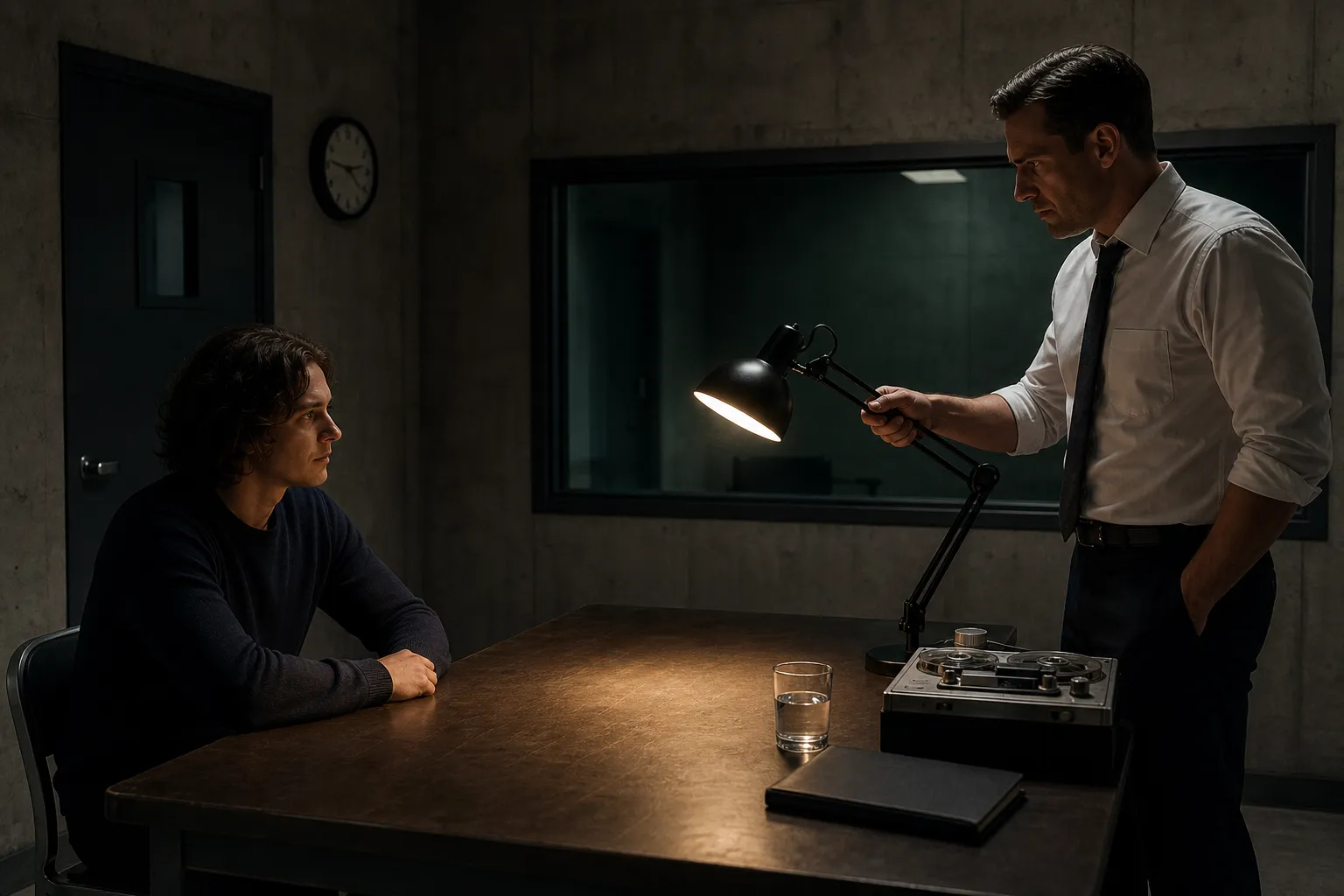
Now you know where to look
Catch the flash, compare it with the words, then ask one calm question. The face does not close the case. It tells you exactly where to look next.
See lie detection in action
Bring the experiment into your event. Guests watch faces, test their instincts and begin reading one another before the room builds one connected result.
Enquire about your event
Research notes
- Paul Ekman Group, how FACS describes visible facial movement
- Yan and colleagues (2013), How Fast Are the Leaked Facial Expressions?
- Jordan and colleagues (2019), A Test of the Micro-Expressions Training Tool
- Porter and ten Brinke (2008), Reading Between the Lies
- FBI-administered HIG (2016), Interrogation: A Review of the Science
- FBI Law Enforcement Bulletin (2011), Evaluating Truthfulness and Detecting Deception
- Noordewier and van Dijk (2019), how surprise unfolds as an event gains meaning
- Barrett and colleagues (2019), Emotional Expressions Reconsidered