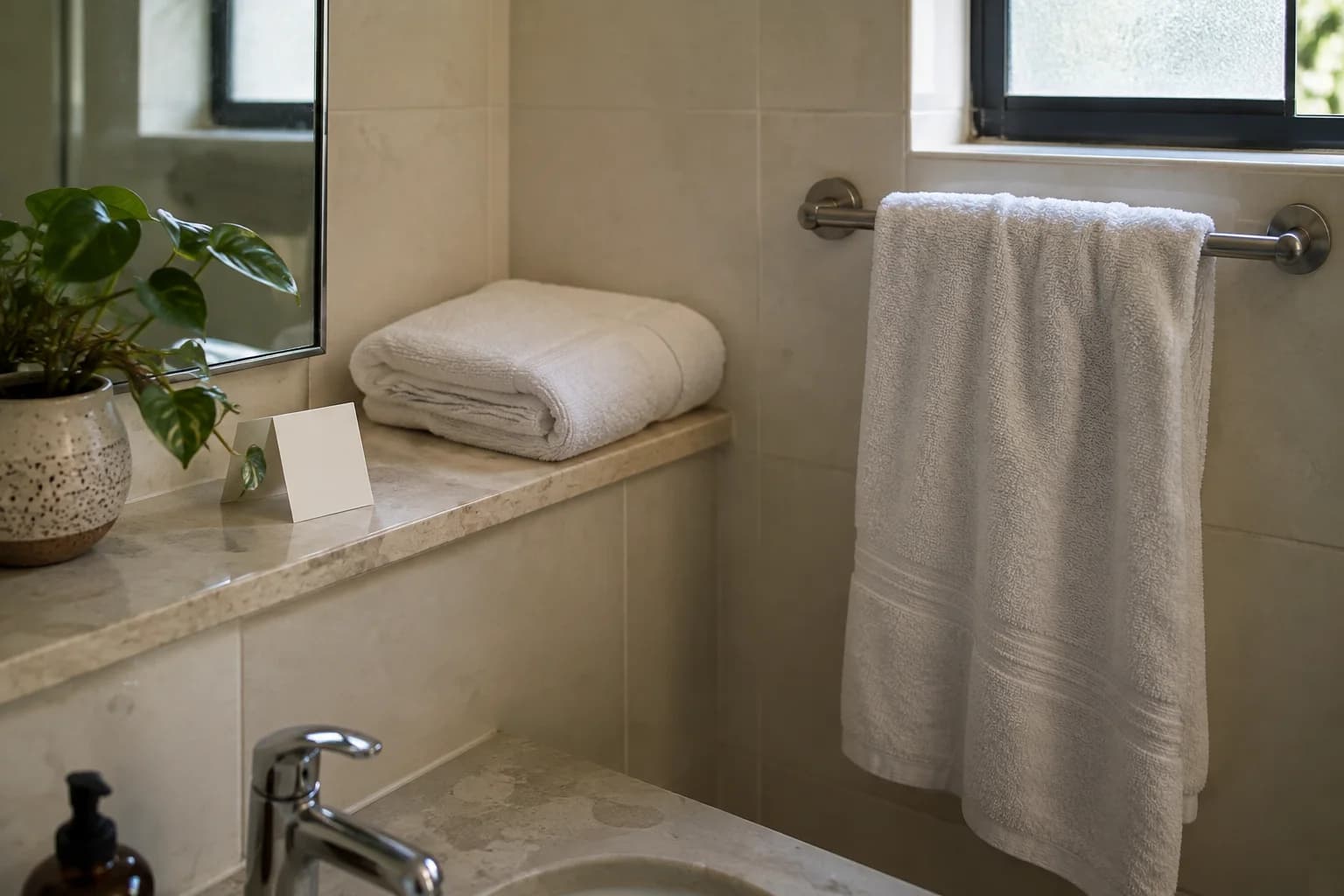
A generated editorial hotel bathroom with two identical ivory towels and two blank paper hanger cards on brass rails

The Hotel Card That Changed What Guests Did

Same request. Same hotel. One truthful social cue produced nine more towel reuses per hundred eligible observations. The surprise is smaller—and more useful—than mind control.

Same request. One cue changed.

Professor Robert Cialdini is known for recurring principles of influence. Social proof is the one to watch here. In a hotel field experiment he co-authored, the action, instructions and environmental purpose stayed the same; one card added what other guests usually did.

A generated editorial hotel bathroom with two identical ivory towels and two blank paper hanger cards on brass rails
Generated editorial image. It explains the idea, not a witnessed event. Generated object study. The cards are deliberately blank; the real comparison remains accessible text.

The surprising part

+9.0 percentage points

Roughly nine more reuses for every 100 eligible guest observations in this study.

433 guests · first eligible day only · one hotel

35.1%

reused at least one towelEnvironmental appeal

44.1%

reused at least one towelGuest-norm appeal

The stronger card added no reward and no threat. It changed what the guest believed people in the same situation normally did.

This was one hotel field experiment about towel reuse, not proof about stage participation. The event lesson is a design inference: when a current, relevant, documented norm reduces uncertainty, make it visible. If you do not have the fact, do not invent it.

Four influence levers worth keeping in the room

Cialdini’s complete list is longer. For an event invitation, I keep four within reach and treat them as tools, never laws. Each one must reduce uncertainty without making ‘no’ costly or embarrassing.

  1. Reciprocity · Give before you ask

    Offer orientation, value or a tiny win first. At a conference, let guests spot one useful cue before inviting them to try. The gift is complete; it does not buy a yes.

  2. Social proof · Show the nearest verifiable norm

    If three tables have begun, say exactly that. A real local norm can reduce uncertainty. If you cannot substantiate it, do not use it.

  3. Commitment · Keep the first yes small

    Choosing one object is not consent to stand, speak, be touched, reveal something private or continue. Ask again when the role changes.

  4. Authority · Let expertise lower uncertainty

    One cue owner says what will happen, how long it takes and where the exit is. At a wedding, the host, planner and DJ should not issue three versions of the request.

Two complete paths

A good invitation designs both yes and no

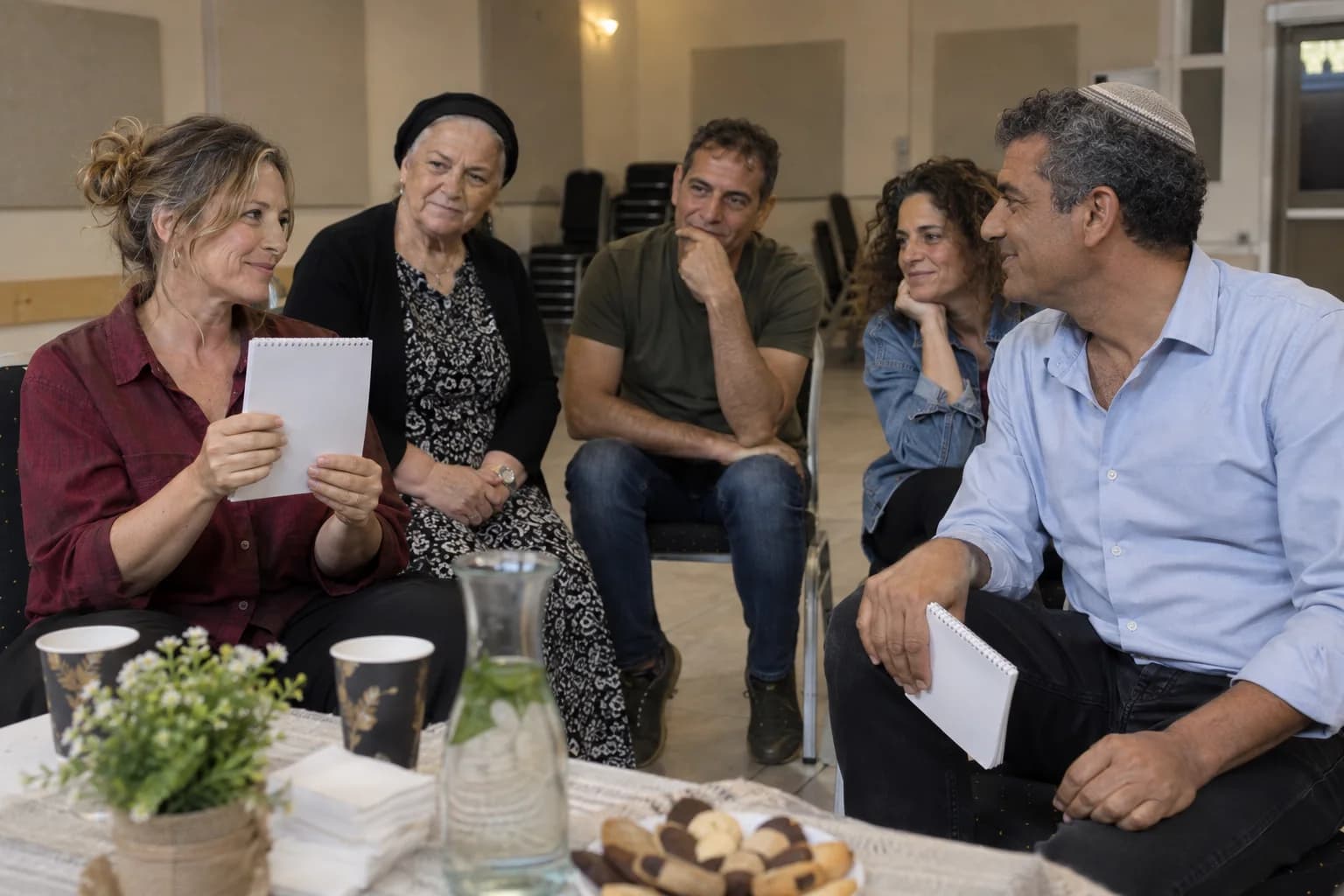
Joining and watching should look equally ordinary before the spotlight moves.

Show the action without loading it

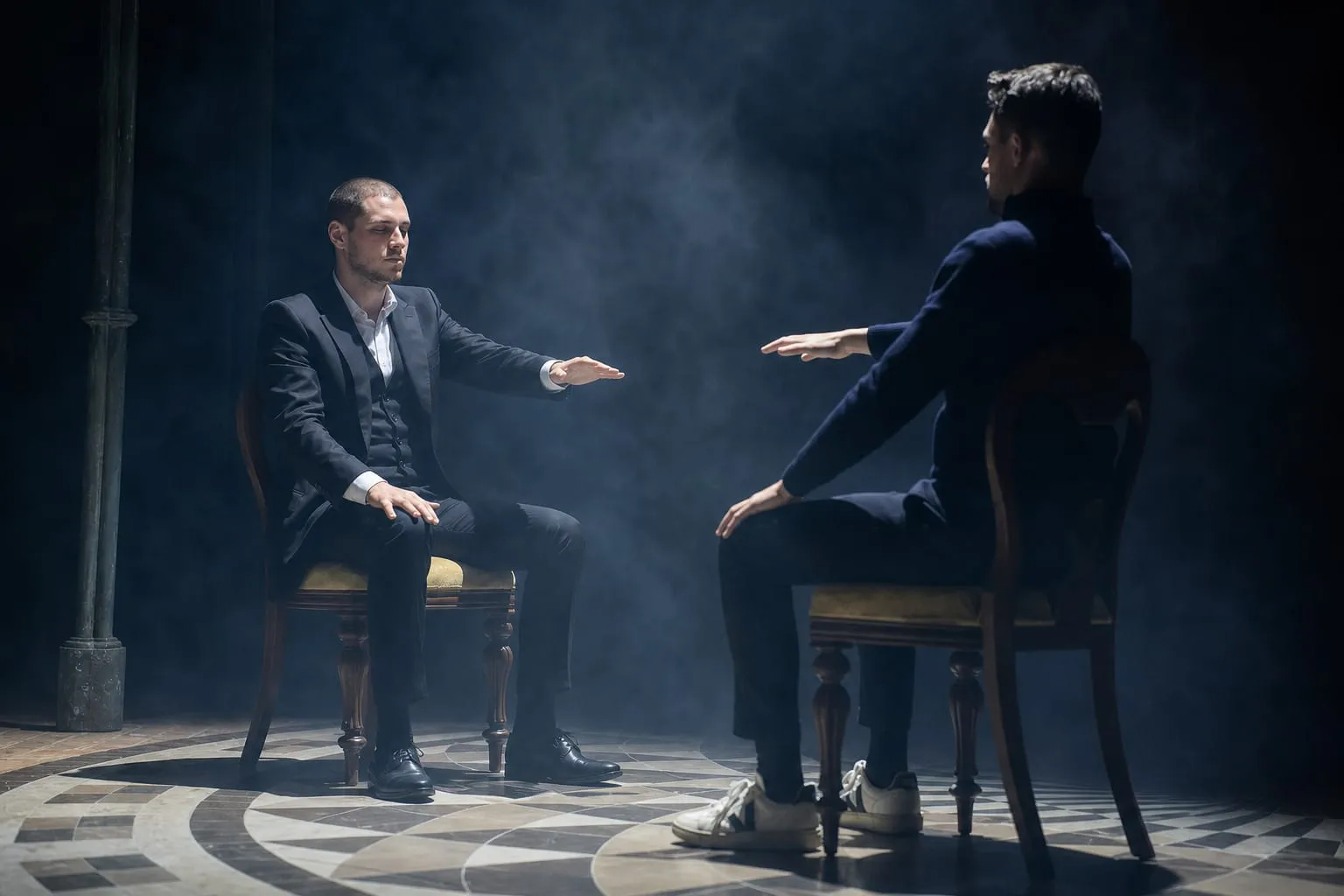
An open hand and one small object make the next step easy to understand without calling for bravery or approval.

Watching remains a complete path

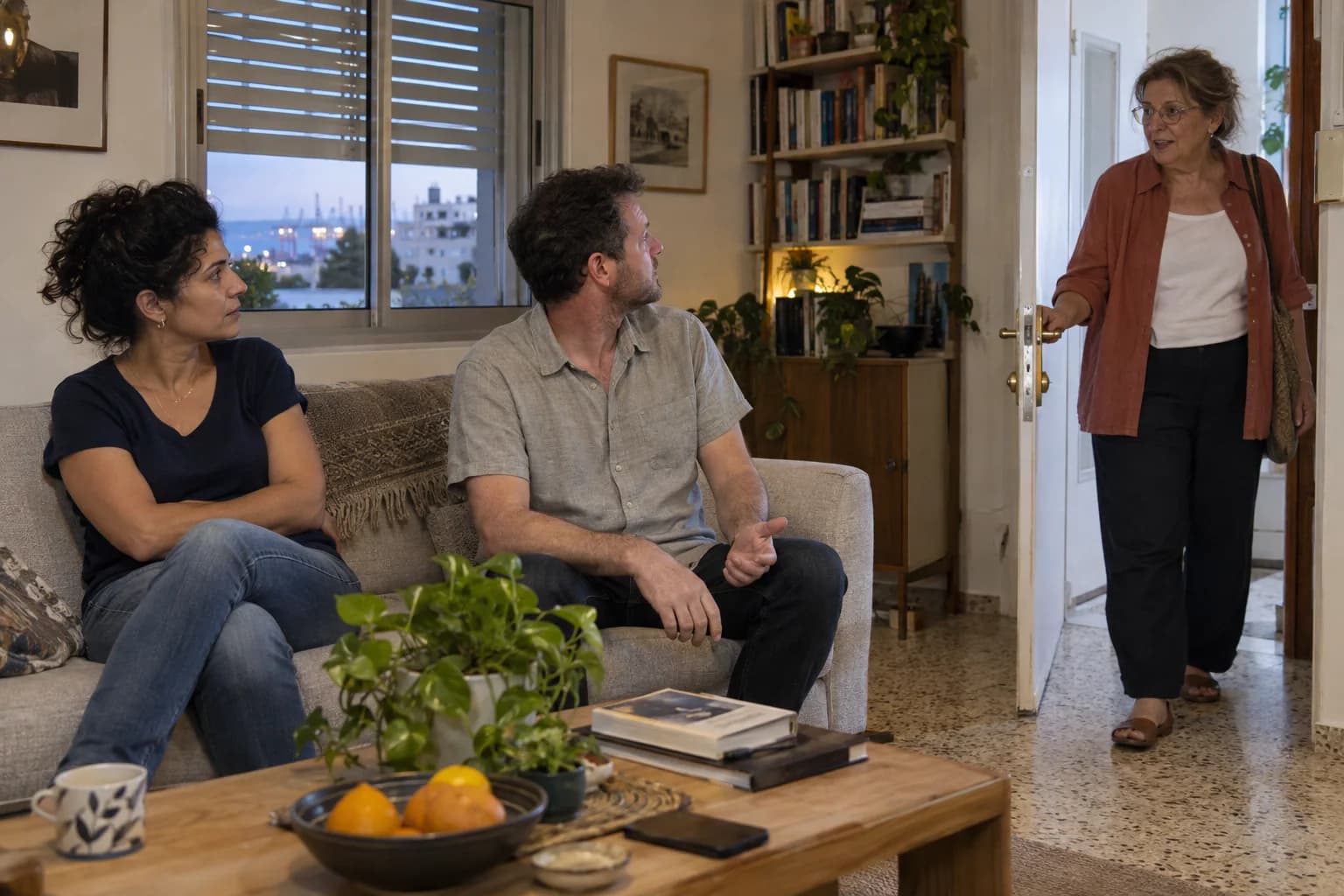
The seated guest keeps the cup, the view and a place in the group. Nothing in the frame marks that choice as failure.

If only yes has a designed next step, the invitation is not easy.

Use the room, not the person, as the control panel

Money, employment, health, relationships, consent, alcohol-sensitive decisions and private disclosure stay outside the exercise. If refusal costs status or dignity, redesign the invitation.

When I design participation, I do not ask, ‘How do I make them say yes?’ I ask, ‘Which uncertainty can I remove without removing the person’s way out?’ That distinction is where influence becomes useful rather than cheap.

Reduce uncertainty, not freedom

Bring the room, hierarchy, language mix and desired role. The invitation can then make joining simple, watching complete and the connected ending far stranger than the cue that opened the door.

Plan the guest journey

Accessibility

Adjust the site’s text, colors, motion, and reading aids. Changes apply immediately.

Text adjustments

Font size

Scale all site text from its original size without reducing headings.

Line height

Add vertical space between lines of text.

Text spacing

Adds letter spacing in English. Hebrew uses word spacing so letter shapes remain intact.

Text alignment

Align eligible headings and prose without moving page layouts.

Color adjustments

Contrast

Choose a semantic high-contrast palette while keeping images and controls intact.

Saturation

Reduce or increase color intensity. This combines with contrast and grayscale.

Content highlighting

Navigation and reading

Keyboard navigationUse Tab and Shift+Tab to move, Enter or Space to activate, and Escape to close dialogs. Focus indicators stay visible.Always active
Cursor size

Enlarge the mouse or pen pointer across site content and controls.

Cursor size affects mouse and pen input only; touch screens do not display a cursor.