Their first story together
Picture two wedding guests who have never met: an old school friend and someone from work. A close-up encounter gives them something to share before the usual introductions.
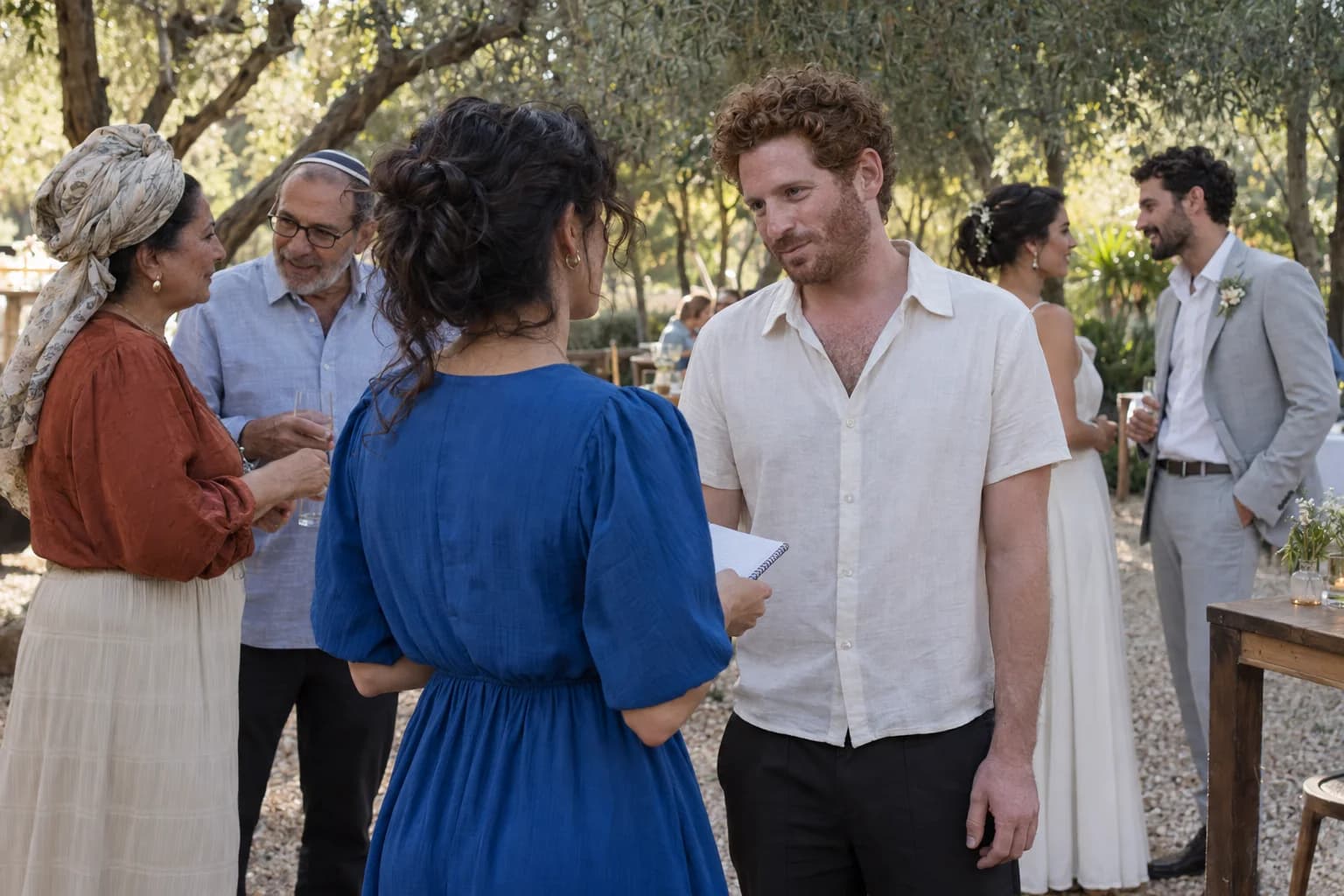
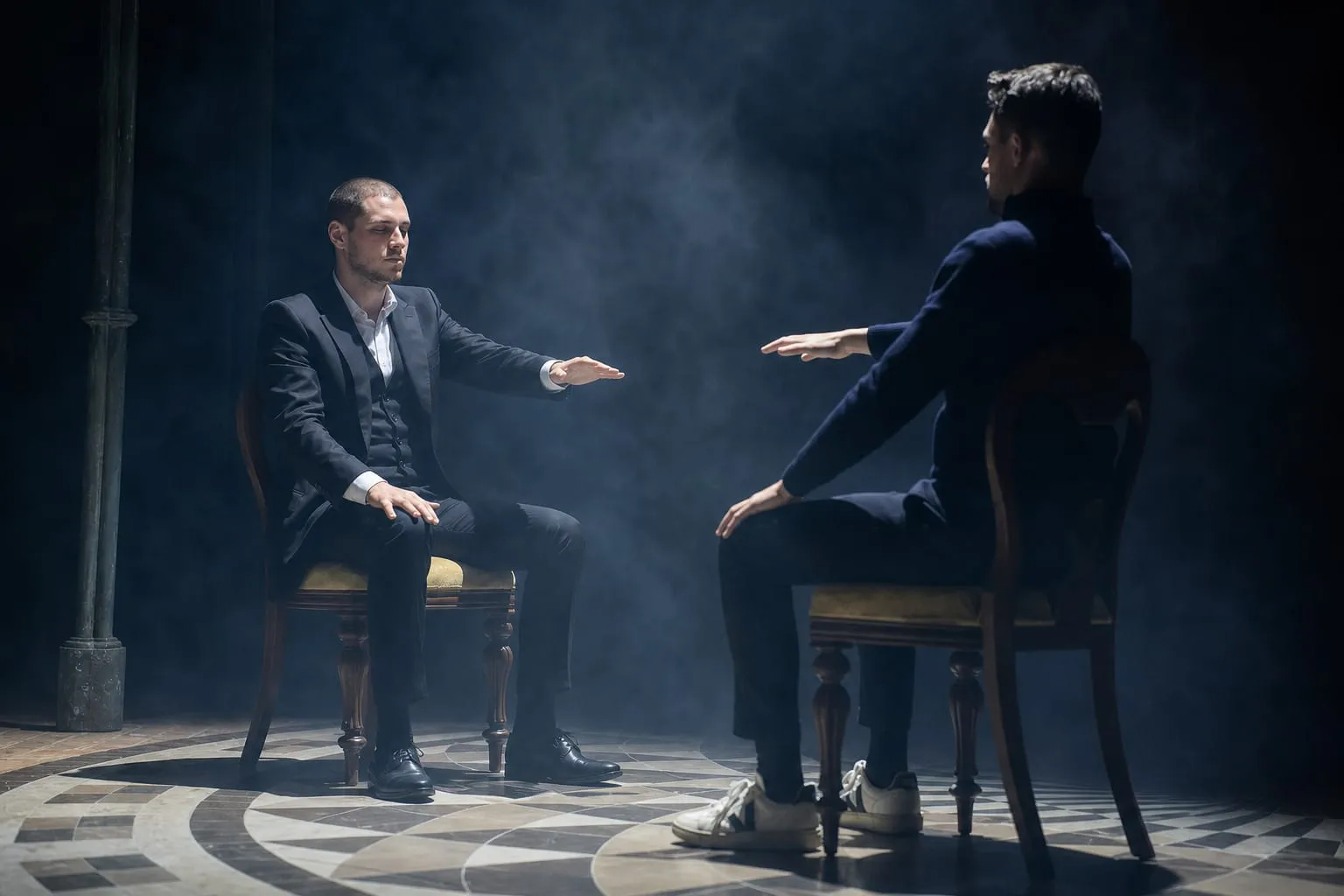
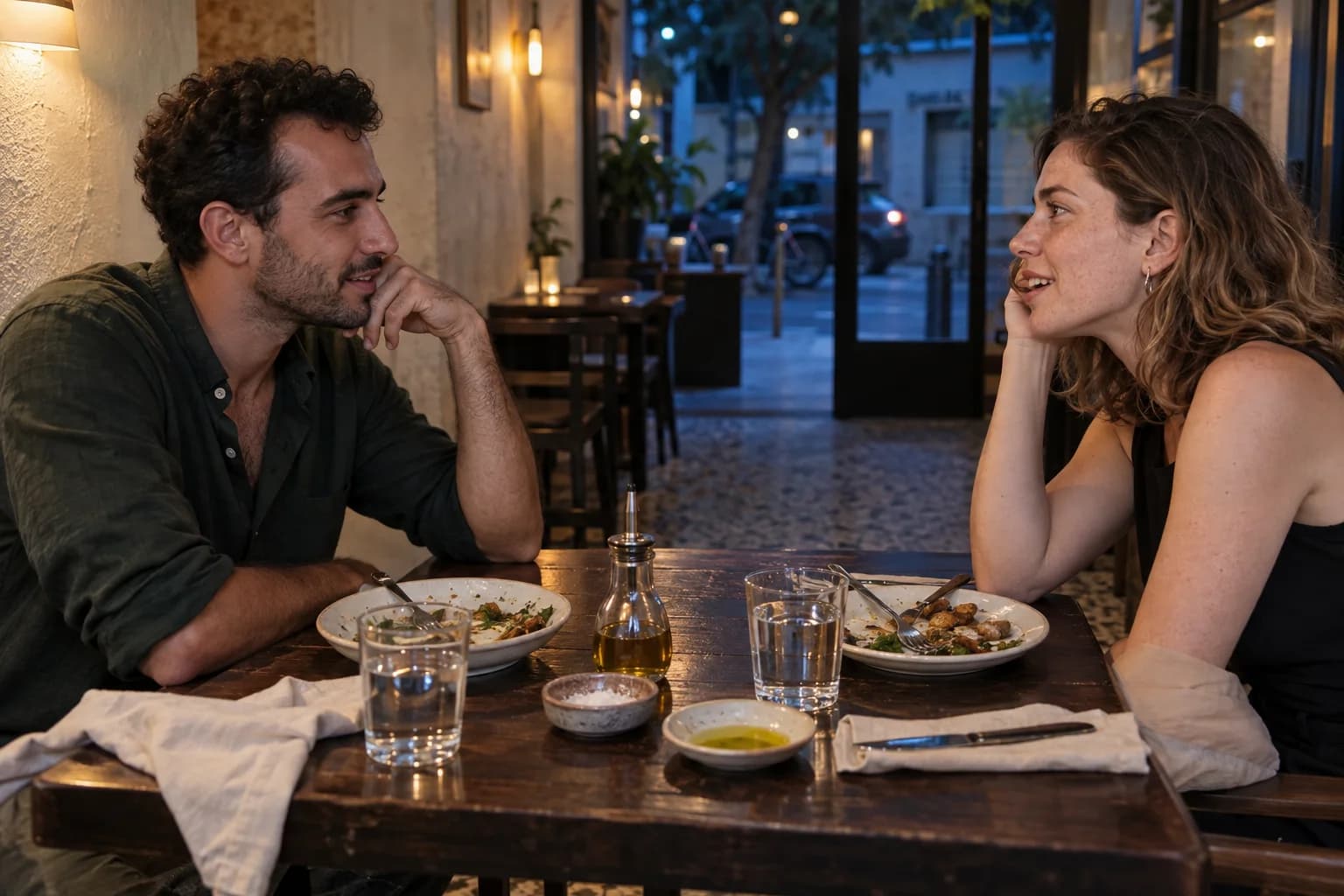
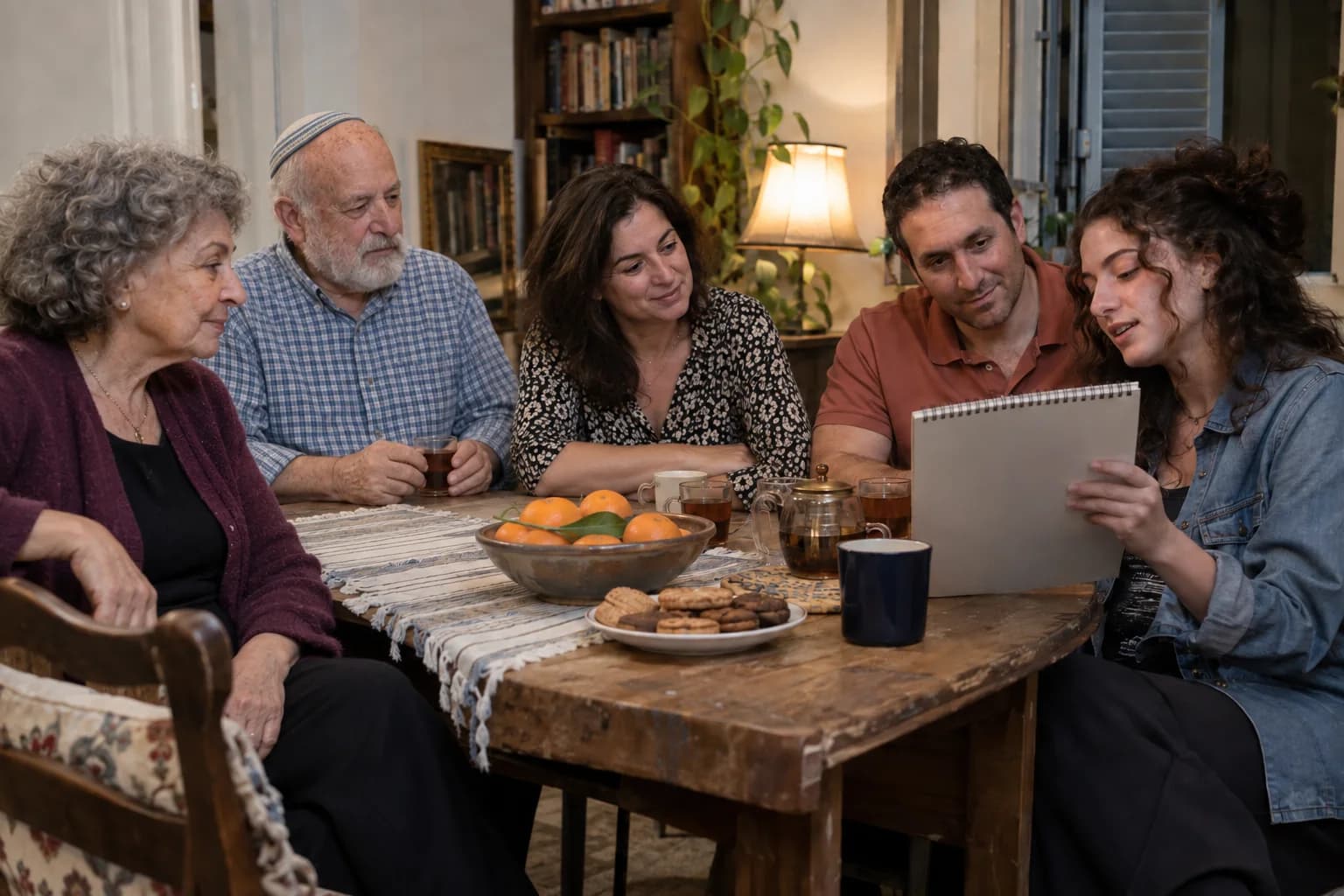
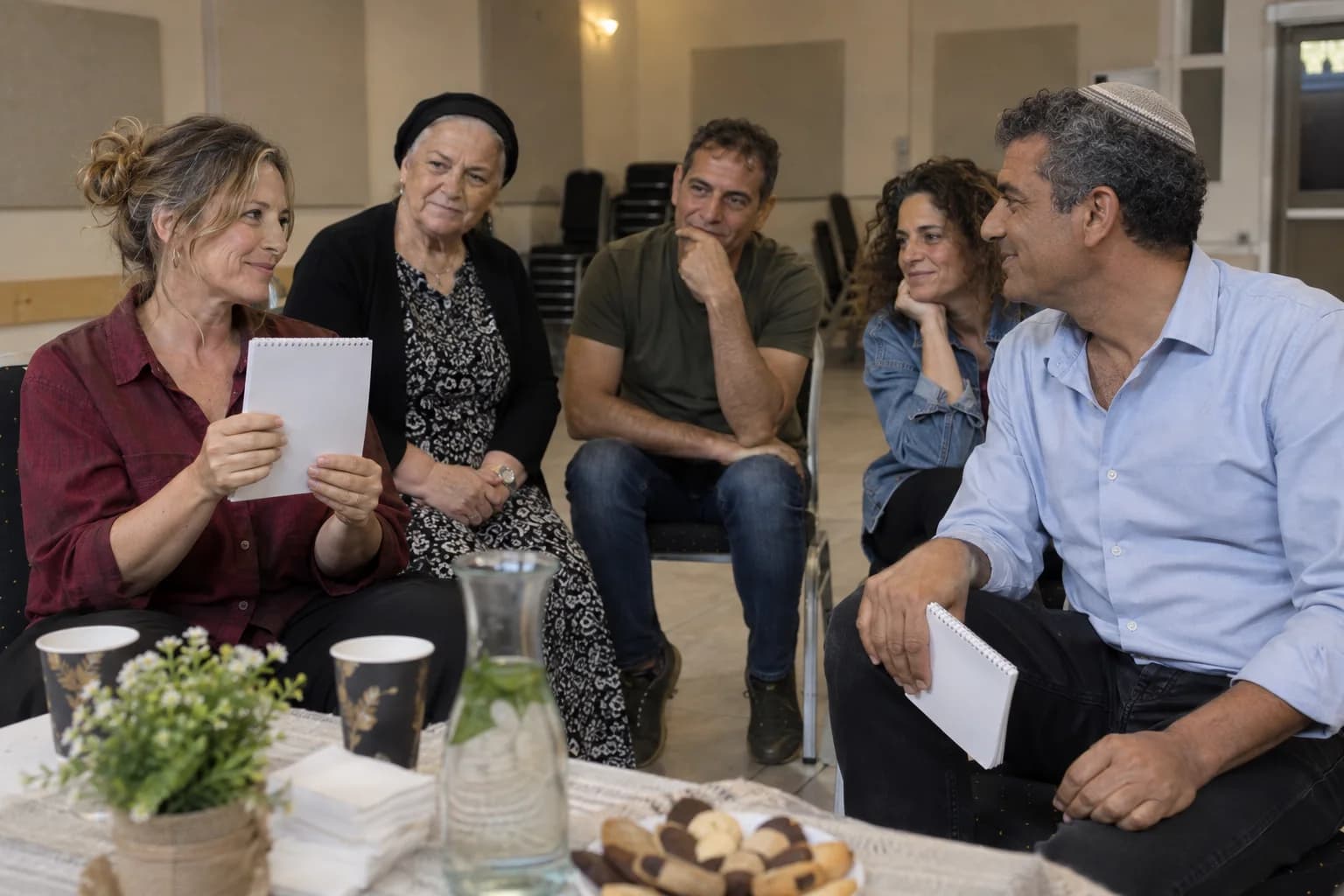
AI-created illustrations of a possible wedding moment
One holds the thought
They know the couple from different parts of life. For this moment, that is not the important division. One has imagined a simple drawing; the other is about to try to discover it.
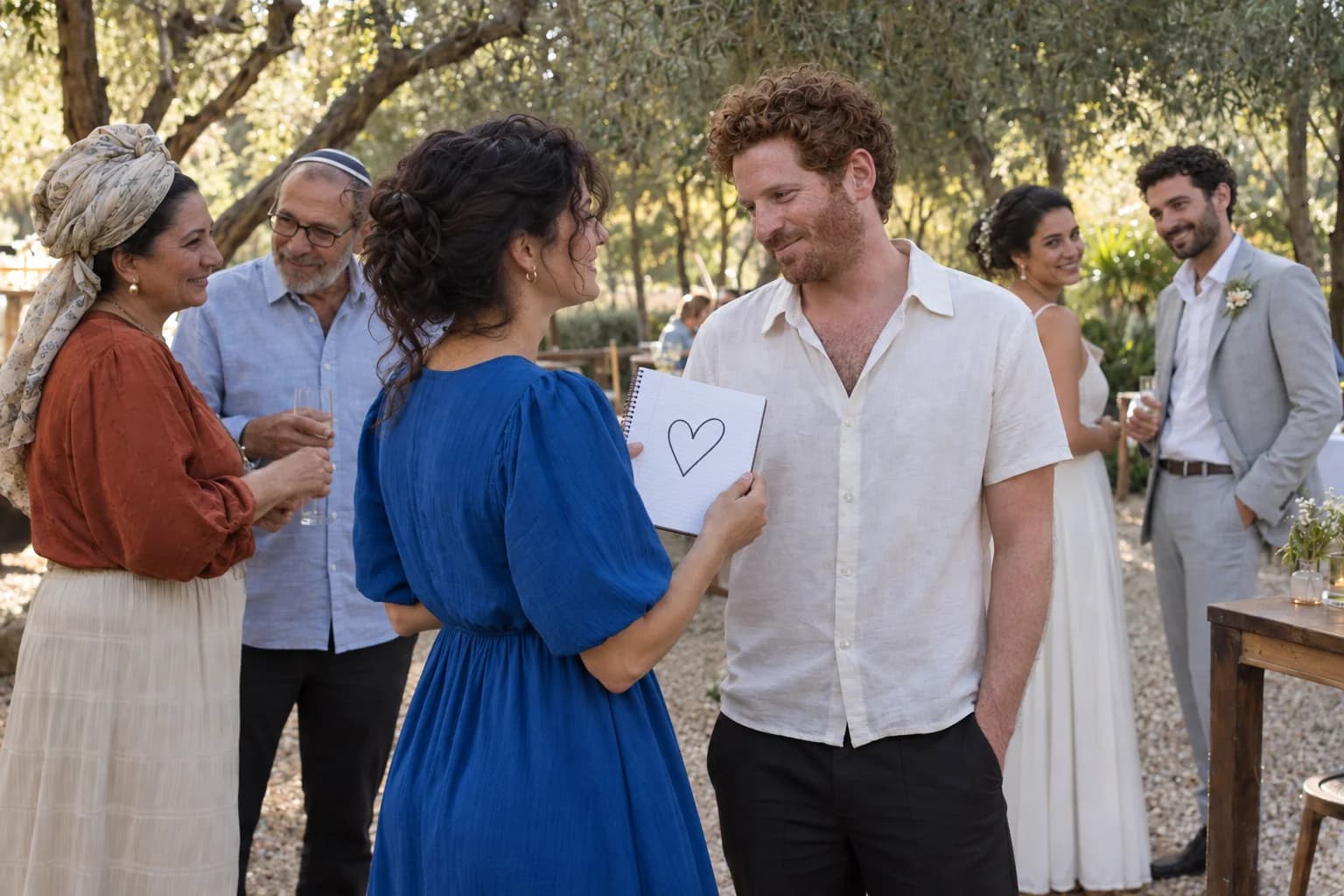
The first look is between them
When the drawing appears, the guest who imagined it knows what it means. They look at the person who drew it. That shared glance comes before any explanation to the people standing nearby.
The couple is still the reason they are here
The school friend and the colleague may arrive with different stories about the couple. Now they have the start of another one. The newlyweds can enjoy it with them as the reception continues.
For weddings, Yonatan Lavy works close-up with small groups during the reception and mingling. The encounter joins the flow of the celebration, with the couple at its heart.
Yonatan Lavy
Bring your guest circles together
Tell us about the reception and the people coming. Yonatan Lavy’s close-up mind reading creates small encounters your guests can experience with one another.
Describe your wedding reception