The detail only that room would recognise
At a private celebration, an ordinary picture can carry an extraordinary amount of meaning. Start with this imagined family’s holiday house. What would make it recognisable to them?
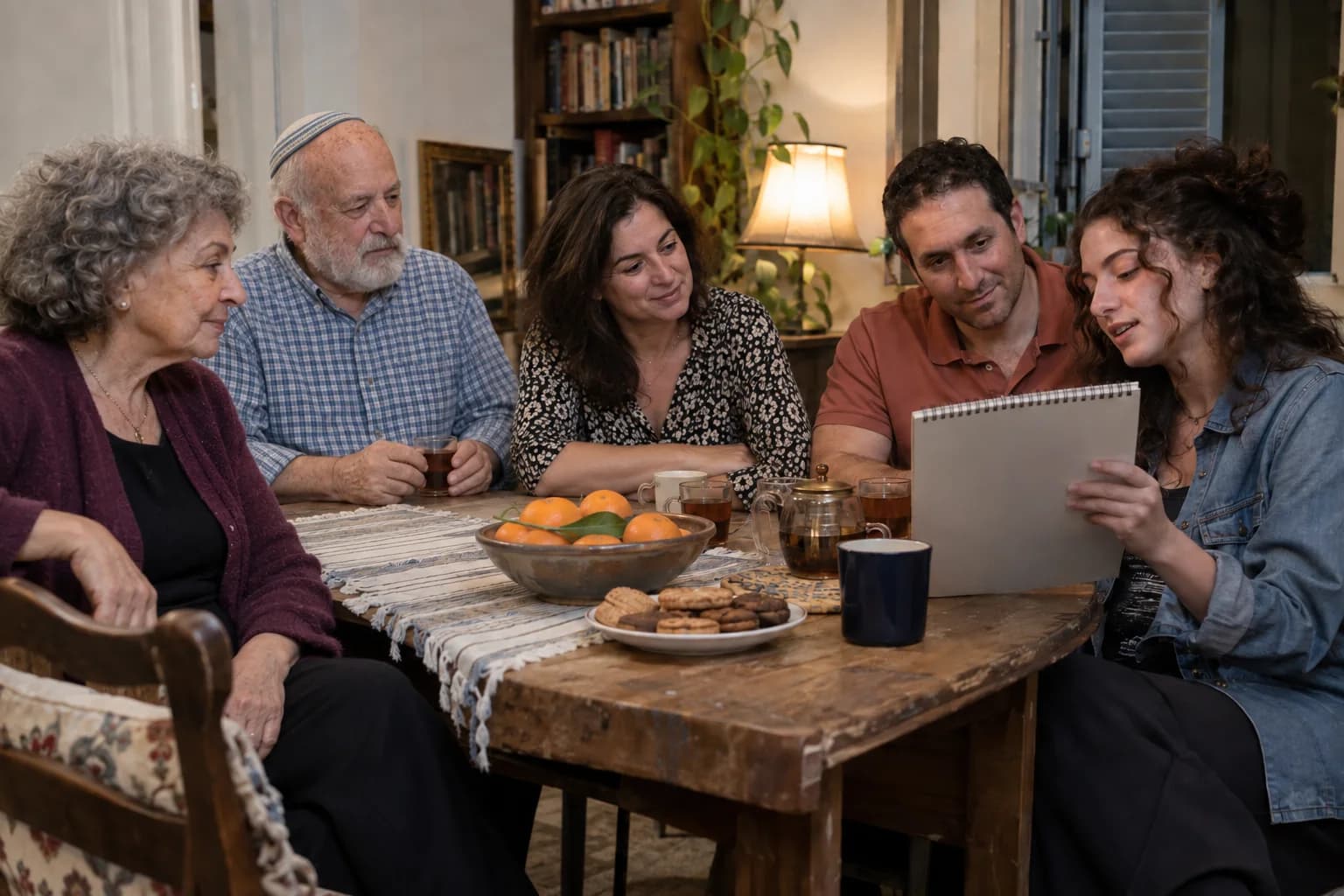
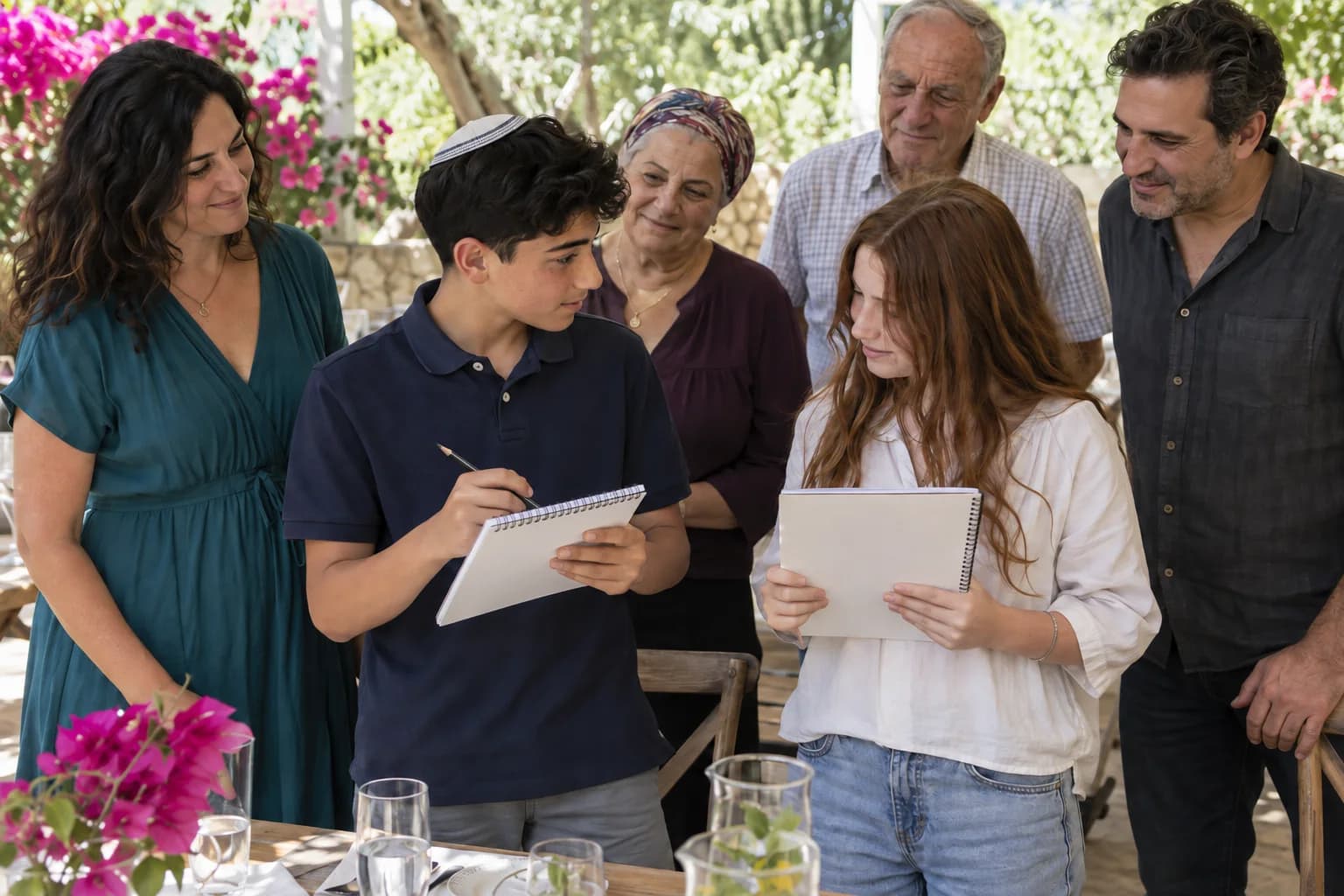
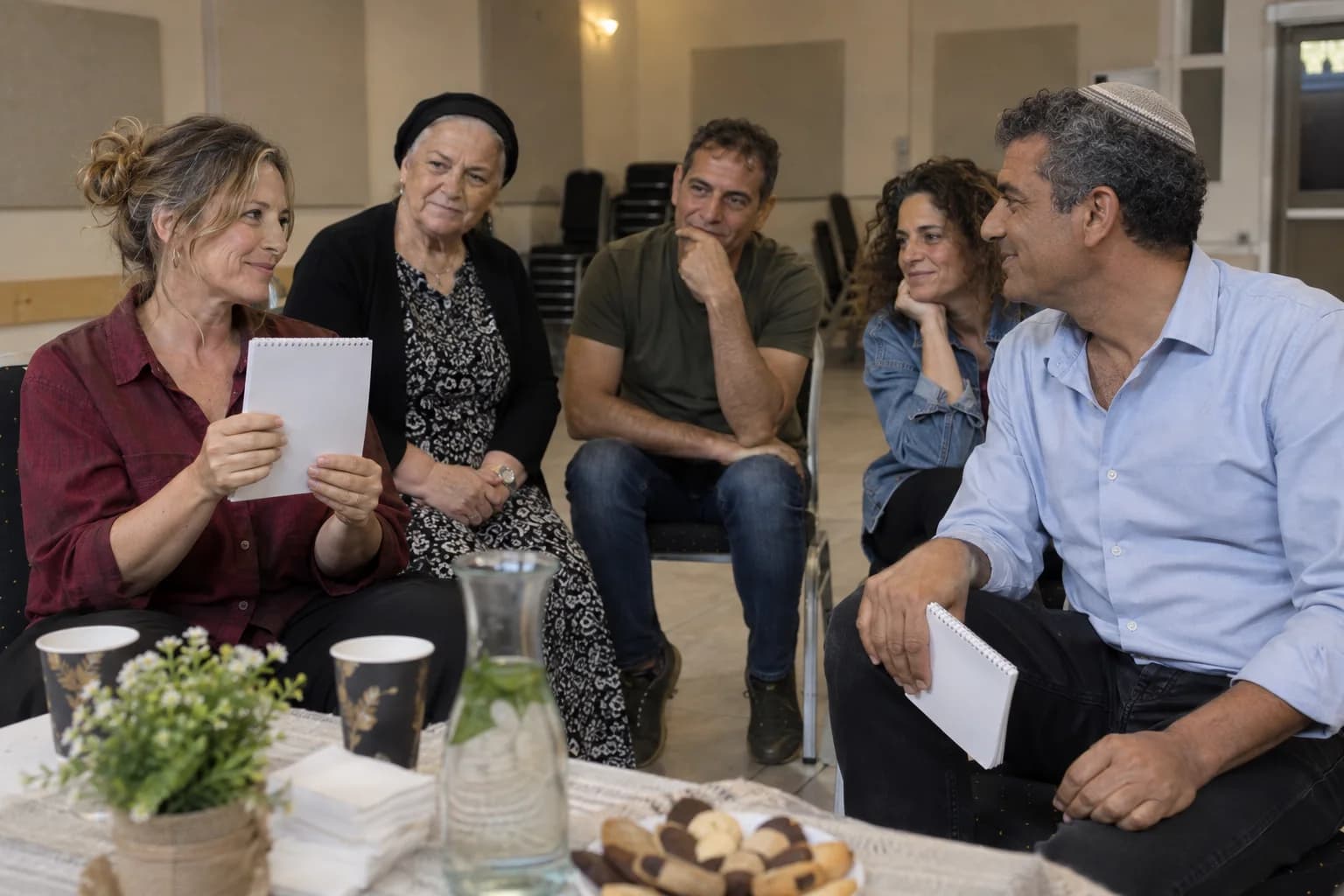
AI-created illustrations of a possible private celebration
At first, it is just a house
A roof, two windows, a line for the sea. It could be any holiday cottage. The drawing gives you a place, but it does not yet give this family their place.
Then someone adds the crooked gate
In this imagined family, everyone remembers lifting that gate so it would close. One small addition turns a general picture into a particular memory.
The house stays the same. Only the gate changes.
“You had to lift it before you could close it.”
More meaning, not more detail
A beautifully shaded roof would not do the same job. The useful detail is the one these people recognise. To an outsider it is still a gate; to the family it is the start of a story.
That is why an intimate room has its own possibilities. The people arrive with shared associations. When a guest discovers something another has imagined, recognition can travel through those relationships as well as through the picture.
Yonatan Lavy
Who will be around your table?
With Yonatan Lavy, guests discover one another’s thoughts, names and drawings. Share the occasion and the people coming so the experience can belong naturally in your celebration.
Describe your celebration